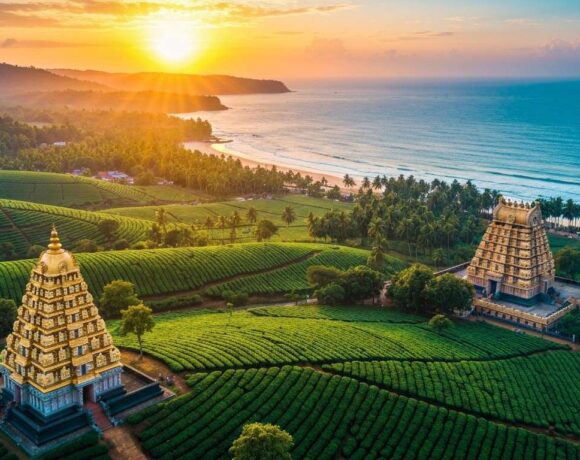
South India is not a single climate destination; it is a collection of distinct microclimates. While the general expert advice is to visit during the “winter,” the true best time to visit South India depends on whether you’re looking for the mist of the Western Ghats, the spiritual energy of Tamil Nadu’s temples, or the quiet refreshment of a Keralan monsoon.
As travel experts who have navigated the “Wet vs. Dry” seasons across the Deccan Plateau, we’ve compiled this guide to help you time your trip perfectly.
Seasonal Breakdown: When to Go Where
The Peak Season (October to March)
Best for: General Sightseeing, Beaches, and Heritage Sites.
This is the best time to travel to southern India if you want to avoid the scorching humidity.
- Tamil Nadu: December and January are perfect. The temples of Madurai and Thanjavur are cooler, though you may catch the tail-end of the North-East monsoon.
- Karnataka: Hampi is best explored in January when the stone ruins don’t radiate intense heat.
- Expert Insight: If you plan to visit in December, book 4–6 months in advance. This is the “peak of the peak” due to the Christmas holidays and the Sabarimala pilgrimage season.
The Summer Season (April to June)
Best for: Hill Stations and Wildlife.
While the plains of Andhra Pradesh can hit 40°C, the “Blue Mountains” (Nilgiris) offer a sanctuary.
- Wildlife Tip: This is the best time for photographers. As water sources dry up in Bandipur and Periyar, elephants and tigers are more likely to be spotted at the riverbanks.
- The Escape: Head to Munnar (Kerala) or Coorg (Karnataka). The air is crisp, and the tea plantations are vibrant.
The Monsoon Season (June to September)
Best for: Ayurveda and “Green” Tourism.
The rainy season in South India is heavy but magical.
- Why Visit Now: In Kerala, the “Karkidakam” month (July/August) is traditionally the time for Ayurveda. The humidity is said to soften the skin, allowing medicinal oils to penetrate deeper.
- The View: The waterfalls, specifically Athirappilly (Kerala) and Jog Falls (Karnataka), are at their most majestic.
Weather Comparison by Major Hub
| Month | Kochi (West Coast) | Chennai (East Coast) | Bangalore (Deccan) |
| Jan – Mar | 30°C / Dry | 29°C / Pleasant | 28°C / Perfect |
| Apr – Jun | 32°C / Humid | 37°C / Very Hot | 33°C / Warm |
| Jul – Sep | 28°C / Heavy Rain | 34°C / Light Rain | 26°C / Breezy |
| Oct – Dec | 30°C / Moderate | 29°C / Rainy | 25°C / Cool |
Experience-Based Tips
What to Pack for the “Rainy Season in South India”
Don’t just bring an umbrella; the winds in Kerala can break it. Instead, invest in a high-quality, breathable poncho and waterproof “trekking sandals.” Avoid leather shoes, as the humidity can cause mold.
The Festival Calendar (2025-2026)
- Pongal (Tamil Nadu): Jan 14-17. A massive cultural experience in rural areas.
- Onam (Kerala): August/September. Famous for the Snake Boat Races.
- Mysore Dasara (Karnataka): October. The Palace is lit with 100,000 bulbs, unmissable.
FAQ: Planning Your Southern India Trip
Q: Is it safe to travel during the monsoon?
A: Yes, but stay updated on local news. Regions like Wayanad can be prone to landslides during extreme rainfall. Stick to the coastal cities and backwaters for a safer experience.
Q: Which is the cheapest month to visit?
A: May and June. Because of the heat and the start of the rains, luxury resorts often offer “Monsoon Packages” at a 40% discount.
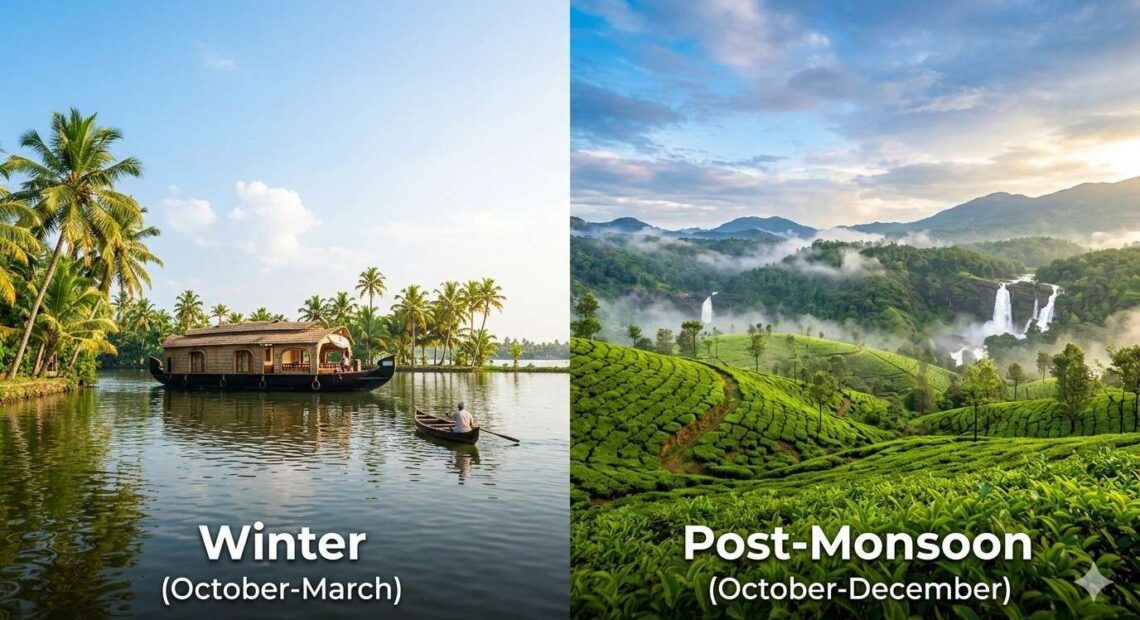
Q: When is the best time for a houseboat stay?
A: October to February. In the monsoon (June-August), some houseboats are docked for maintenance, and the water can be too choppy for a relaxing overnight stay.
Ready to explore the tropics? Check out our expertly curated [South India vacation packages] to find the perfect itinerary for your preferred season.
Related Guides: Places to Visit in South India: 15 Must-See Destinations